
Careful, considered access when a safe in your Brighton property won’t open. Locksmith Brighton technicians attempt decoding and manipulation first — without resorting to drilling unless it’s genuinely necessary.
We proceed cautiously, attempt non-destructive methods first, and treat every Brighton safe with the discretion its contents deserve. Our skilled technicians restore access carefully, protecting what’s inside every time.
We understand your safe’s contents matter, so our Brighton technicians attempt careful access methods without unnecessary delay.
We understand discretion counts here, so our technicians handle the job quietly and finish without disclosure.
Every technician handles the job with discretion, giving you confidence your privacy is respected throughout.

Losing track of a combination over time is one of the most common reasons safes stay shut. It happens especially with safes used infrequently, where the code slips from memory gradually. Our technicians attempt manipulation and decoding first, avoiding damage wherever the mechanism allows it. This is especially common with older Brighton households holding onto rarely accessed family safes. Careful decoding preserves both the safe and its contents wherever possible.

Safes left behind after a family member passes often come with no known combination at all. Executors and family members are left needing access without any documentation to rely on. Our technicians assess the model and attempt non-destructive opening before considering other options. This situation matters most for Brighton families managing an estate during an already difficult time. Careful handling respects both the safe’s contents and the sensitivity of the situation.
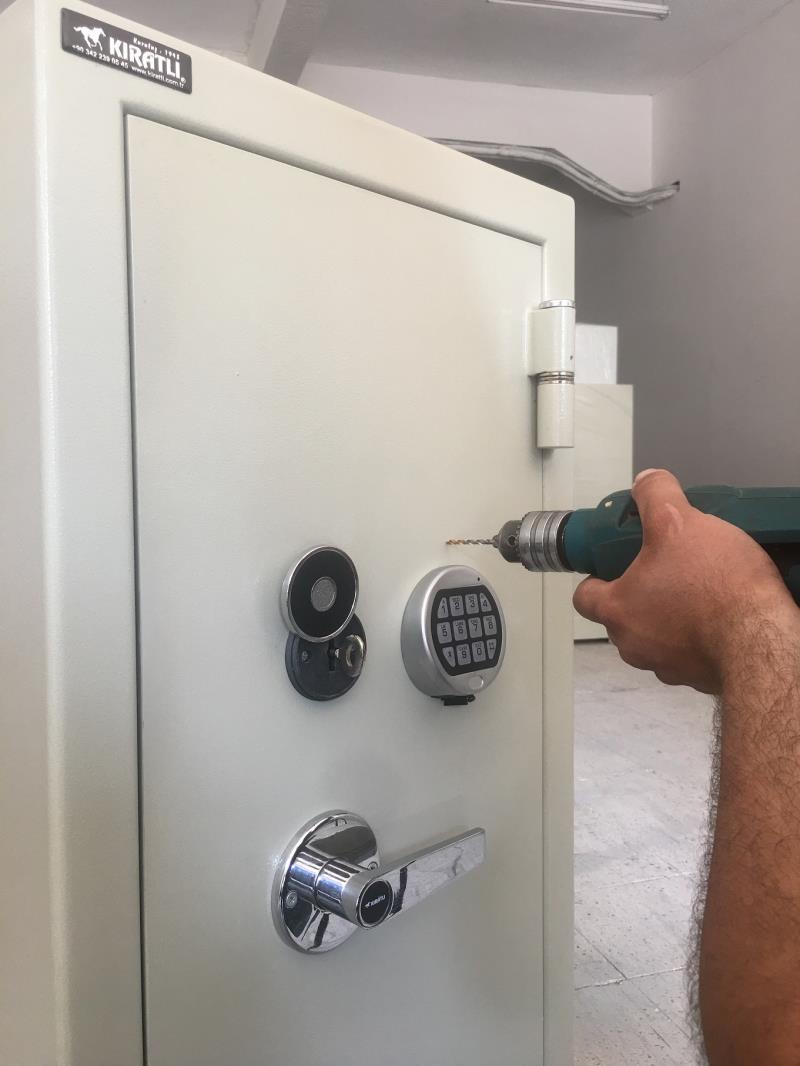
Internal components inside an older safe can fail even when the correct code is entered properly. Worn gears or a jammed bolt work are common culprits behind this frustrating scenario. Our technicians diagnose the fault accurately, determining whether repair or careful opening is the better path. This issue tends to affect safes that have seen years of regular, heavy use. Proper diagnosis avoids unnecessary drilling when a simpler fix might resolve it.

Safes affected by flooding or burst pipes can seize up unexpectedly, trapping contents inside. Rust and swelling are common results of prolonged moisture exposure over time. Our technicians assess water-damaged safes carefully, prioritising content retrieval alongside proper access methods. This matters particularly for Brighton properties affected by storms or plumbing incidents recently. Prompt attention limits further damage to whatever’s stored inside the safe.
A safe that won’t open — whether due to a forgotten combination, a dead battery on a digital lock, or a mechanism that’s simply failed — creates a genuinely stressful situation, particularly when it holds important documents, valuables, or cash. Forcing a safe open yourself risks damaging both the contents and the safe itself, often making an already frustrating situation considerably more expensive to resolve.
Locksmith Brighton provides professional safe opening services across the suburb, using non-destructive methods wherever genuinely possible to get you back into your safe without unnecessary damage.
Combinations that aren’t used regularly are easily forgotten over time, particularly for safes only opened occasionally to store important documents or seasonal valuables.
Digital and electronic safes rely on battery power, and a flat battery can leave the safe completely inaccessible even with the correct code entered.
Like any lock, a safe’s internal mechanism can wear down over time, particularly on older safes that have never been serviced since original purchase.
Safes using a physical key alongside a combination can become inaccessible if that key is lost, damaged, or snapped inside the lock.
Safes that have been exposed to water, fire, or general property damage can develop mechanisms that jam or fail to respond correctly, even when the correct combination or key is used.
Traditional mechanical safes relying on a rotating dial and a specific sequence of numbers.
Modern safes using a PIN code, sometimes combined with battery-powered electronic locking mechanisms.
Safes relying on a physical key, either alone or in combination with a secondary locking method.
Safes using fingerprint recognition, occasionally requiring specialist attention when the biometric sensor itself fails.
Larger, heavier-duty safes used by businesses for cash handling or important document storage, often requiring more advanced opening techniques.
Wherever possible, a trained locksmith uses manipulation techniques suited to the specific safe type, avoiding any damage to the unit itself.
Certain safe models allow a skilled locksmith to decode the combination directly, without needing to know the original code.
Where non-destructive methods genuinely aren’t possible, controlled drilling at a precise, minimally invasive point may be required, followed by professional repair of the drilled access point.
From traditional dial combinations to modern digital and biometric safes, technique is matched to the specific unit involved.
Manipulation and decoding methods are always attempted before any consideration of drilling, protecting both the safe and its contents.
Clear communication throughout, including proof-of-ownership checks and honest advice on repair versus replacement afterward.
A safe that won’t open is a genuinely stressful problem, particularly when it holds valuable or important contents, but attempting to force it open yourself risks making the situation considerably worse. A professional locksmith can assess your specific safe type and use the least invasive method available to get you back inside safely.
If your safe won’t open, get in touch with Locksmith Brighton for professional, non-destructive safe opening services anywhere across the suburb.
Same-Day Appointments Available
Yes, manipulation and decoding techniques are attempted first, often avoiding the need for drilling.
Non-destructive methods are used wherever possible, with drilling considered only as a last resort.
The model is assessed and non-destructive opening is attempted before any other option is considered.
Yes, water-affected safes are assessed carefully, prioritising content retrieval alongside safe access.
Proof of property ownership or residency is required before any safe is opened.